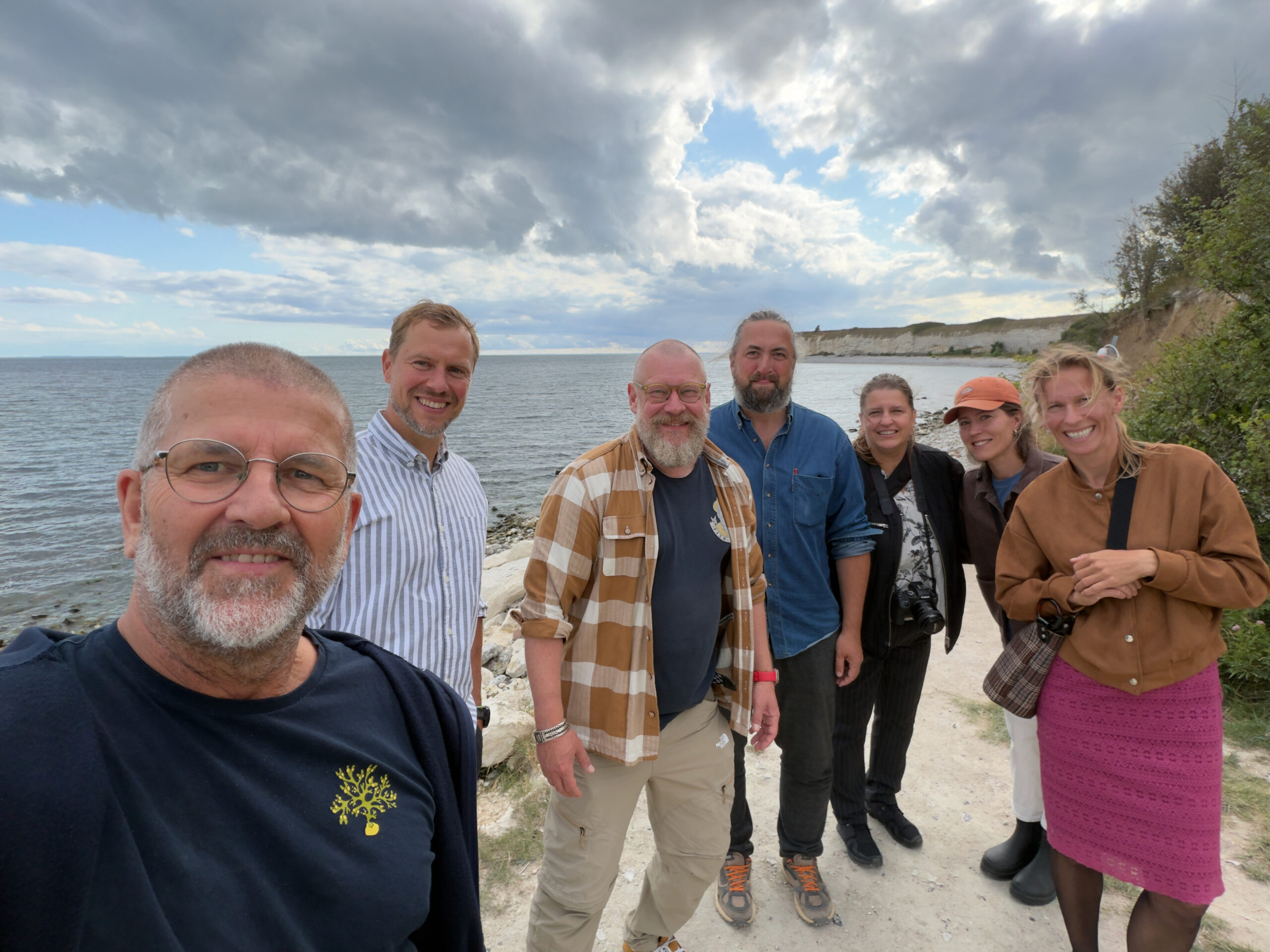
How can coastal communities create new opportunities from marine resources while caring for the Baltic Sea? BonoLab is joining partners from Denmark, Estonia and Sweden in the Living Coast project, supporting education, citizen engagement and the sharing of practical knowledge across three Coastal Living Labs.
Coastal communities around the Baltic Sea face shared challenges, from environmental pressures to changing local economies. At the same time, they have valuable knowledge, strong connections to the sea and opportunities to develop new activities based on marine resources.
The Living Coast project, supported by the Interreg Baltic Sea Region Programme, brings together partners to investigate how underused coastal and harbour facilities can support seaweed cultivation, processing, local product development and community activities.
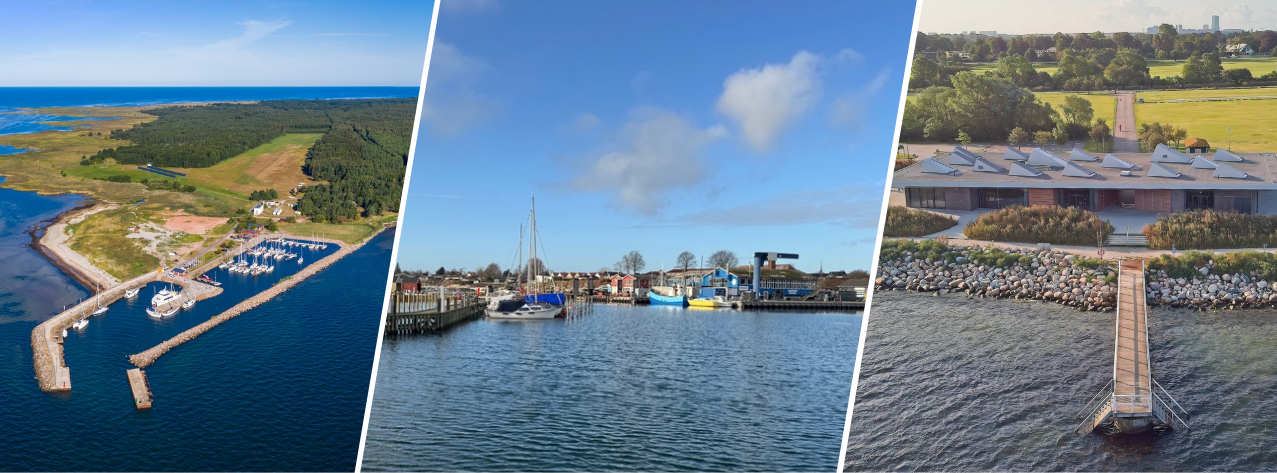
The project works through three Coastal Living Labs in Rødvig (Denmark), Ruhnu (Estonia) and Malmö (Sweden). Each location brings its own environmental conditions, community interests and opportunities for experimentation.
Living Coast partners
Living Coast is a joint effort by five organisations from Denmark, Estonia and Sweden, each contributing different expertise and local knowledge.
The project is led by Business Stevns (Denmark), working together with The Living Fishery Harbour in Rødvig (Denmark), Ruhnu Cultural Space (Estonia), Marine Education Center in Malmö (Sweden) and BonoLab (Denmark).
The Living Labs in Rødvig, Ruhnu and Malmö are central to the project, bringing local communities, facilities and practical experience into the work. Business Stevns coordinates the partnership, while BonoLab supports education, citizen engagement and communication across the three locations.
The project runs from July 2026 to June 2028 and is co-funded by the European Union through the Interreg Baltic Sea Region Programme.
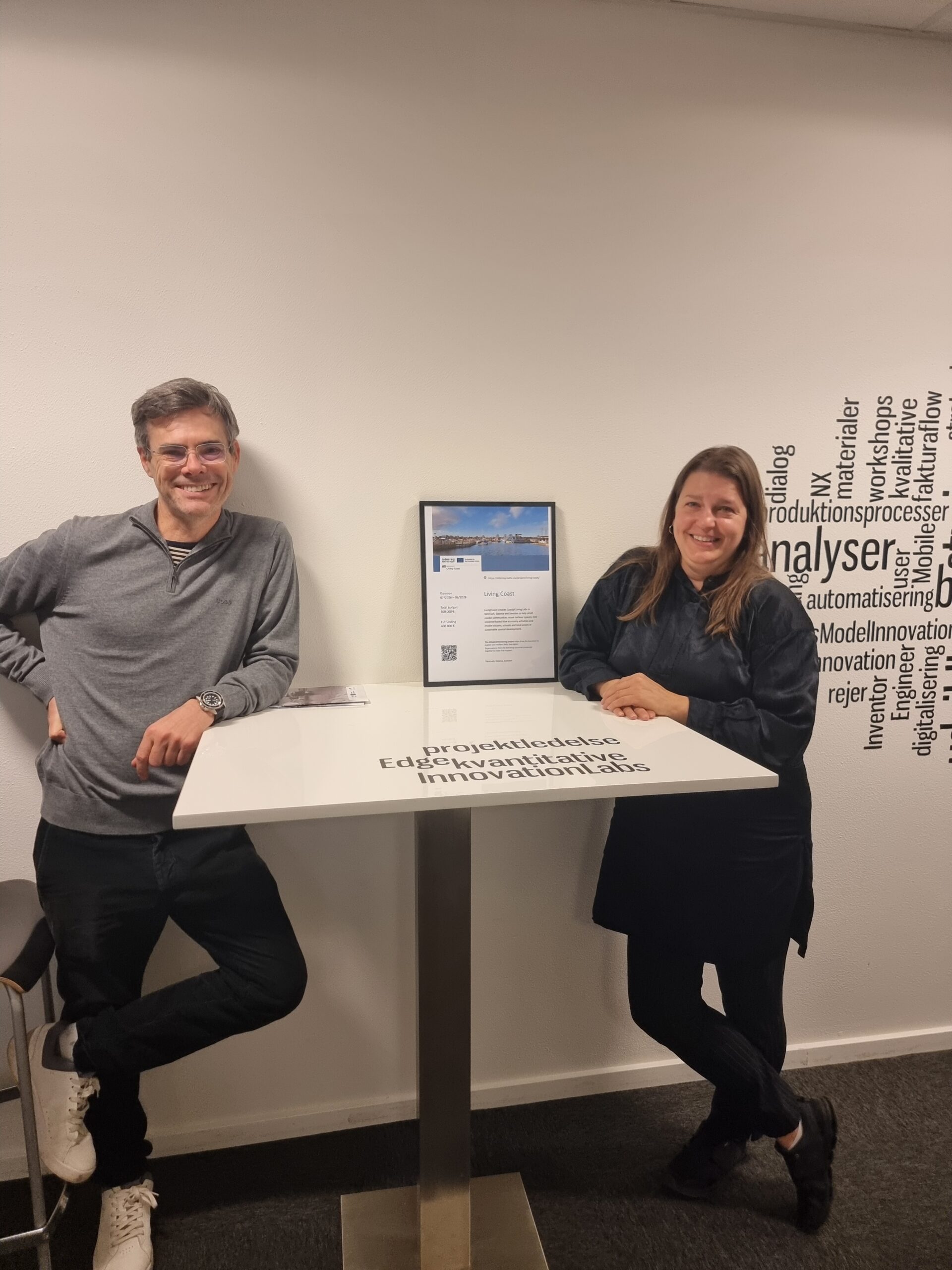
Supporting the Living Labs through education and citizen engagement
BonoLab’s role is to support the three Living Labs in connecting their practical activities with schools, citizens and local organisations.
Our approach starts with understanding the needs and priorities of each Living Lab. Rather than introducing identical activities in all three locations, we will work with local partners to identify where educational resources, digital tools and engagement methods can add the most value.
A central part of our contribution is developing learning materials that help young people understand the Baltic Sea, its biodiversity and environmental challenges, and the opportunities associated with sustainable use of marine resources.
We want to connect scientific knowledge with practical examples from the Living Labs, making subjects such as algae cultivation, marine ecosystems and local livelihoods more accessible and relevant to young people.
Alongside education, we will support the Living Labs in engaging citizens and local stakeholders. Coastal communities hold valuable knowledge about their environment, resources and traditions. Bringing this knowledge together with scientific research and practical experimentation can help identify opportunities that respond to local needs.
Our ambition is to help make the Living Labs places where people can learn, contribute ideas and participate in shaping local activities.
Learning together and sharing what works
The three Living Labs provide opportunities to test different approaches and learn from one another. An important part of BonoLab’s contribution is helping partners capture these experiences and make them accessible to others.
In addition to coordinating project communication, we will contribute to a practical handbook that brings together lessons, methods and experiences from the Living Labs. The aim is to help other coastal communities understand what has been tested and how relevant approaches might be adapted to their own circumstances.
We also want the educational resources and engagement methods developed through the project to remain useful beyond the project period.
Looking ahead
For BonoLab, Living Coast brings together several areas we care about: sustainability education, digital learning, community participation and the development of practical solutions to environmental challenges.
We look forward to working closely with our partners in Rødvig, Ruhnu and Malmö, supporting their local ambitions and helping turn their experiences into learning opportunities for schools, citizens and other coastal communities.
As the Living Labs develop their activities, we will share more about the educational resources, citizen engagement approaches and lessons emerging from the project.
Follow the Living Coast journey and learn more about the project:
https://interreg-baltic.eu/project/living-coast/