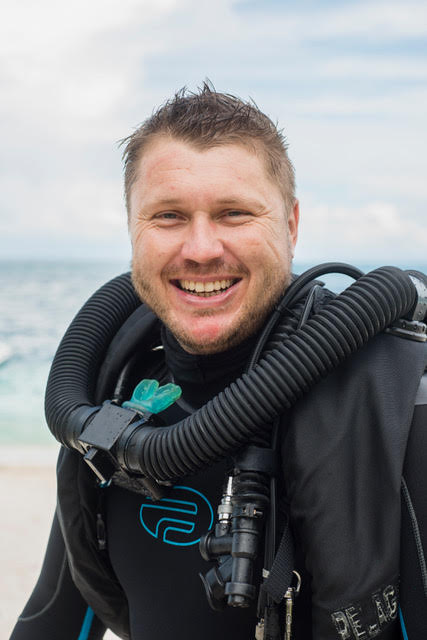
On 5 October 2026, DigiBlue hosted a mini masterclass with marine biologist and natural history filmmaker Simon Enderby. The session supported educators, youth workers and participants preparing digital stories about their relationship with water and the issues affecting oceans, rivers, lakes and coasts.
Storytelling is part of DigiBlue’s approach to blue citizenship: helping young people understand their connection to water, share local experiences and encourage informed action. The masterclass addressed a practical question: how can a story idea become a clear, engaging production that reaches its intended audience?
Simon brings around 30 years of experience in natural history filmmaking. With a background in marine biology, he has worked with scientists and researchers to communicate complex subjects through film, photography and other visual media. His work connects scientific research with audiences ranging from schoolchildren to the public and decision-makers.
Find Simon’s presentation slides HERE.
From an idea to a finished story
In the first part of the session, Simon discussed the decisions that shape a production: choosing a message, identifying an audience, finding contributors and selecting a suitable format. He then described the stages of planning, recording and editing, emphasising shared responsibilities, realistic schedules and time to review and improve a draft.
Although many examples came from filmmaking, the advice also applies to photo stories, animation, presentations and other digital formats.
Seeing science communication in practice
Simon demonstrated these principles through a film about research involving harbour porpoises and electromagnetic fields associated with underwater cables. The film combines researchers’ explanations with footage of the animals and research equipment to make the project’s questions and methods more understandable.
The example showed how different contributors can explain different elements of a story, including what is known and what researchers are still investigating.
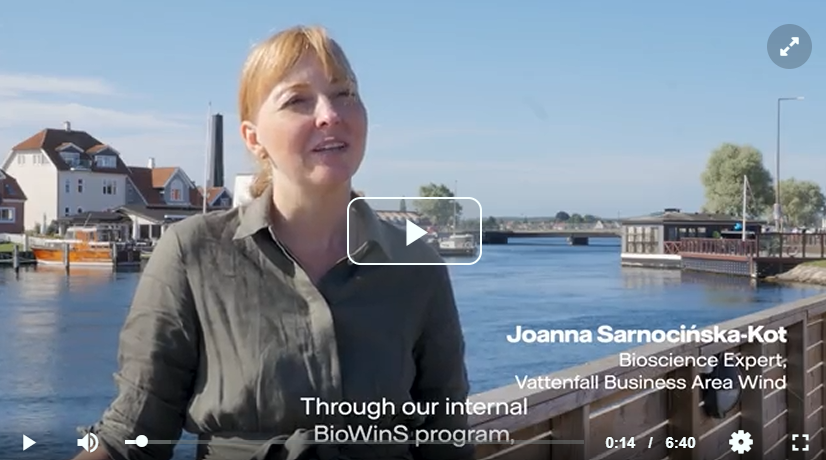
View the demonstration video, part 2 of the masterclass, HERE.
Reaching audiences—and working with what you have
The final part considered how a production can be adapted for different audiences and channels, including shorter videos and educational materials. Simon also shared examples from Borneo, where wildlife films and accompanying activities helped bring science stories to schools and families.
The discussion that followed covered practical questions about lighting, outdoor filming and sound. Simon explained that smartphones can be suitable tools for youth productions, and stressed the value of clear audio, test recordings and flexibility when weather or background noise disrupts a plan.
A new resource for DigiBlue participants
Building on the masterclass, an interactive module will be added to DigiBlue’s existing course, “Digital Storytelling for Blue Citizenship.” Designed for young people, it will combine selected video clips with activities that help participants develop their message, plan their production and review their story before sharing it.
Educators and youth workers will be able to use the module to support their groups. DigiBlue youth groups can also request a mentoring session with Simon through the DigiBlue team, bringing their ideas, drafts and questions for further guidance.
To get involved, visit the DigiBlue website to learn about the initiative and how to join. Educators and youth workers can bring a group of young people, use the course to support their storytelling, and help them prepare a digital story for the DigiBlue exhibition and exchanges. Contact the DigiBlue team through the website for guidance on getting started or requesting mentoring.